
Choosing Your Wedding Dining Style
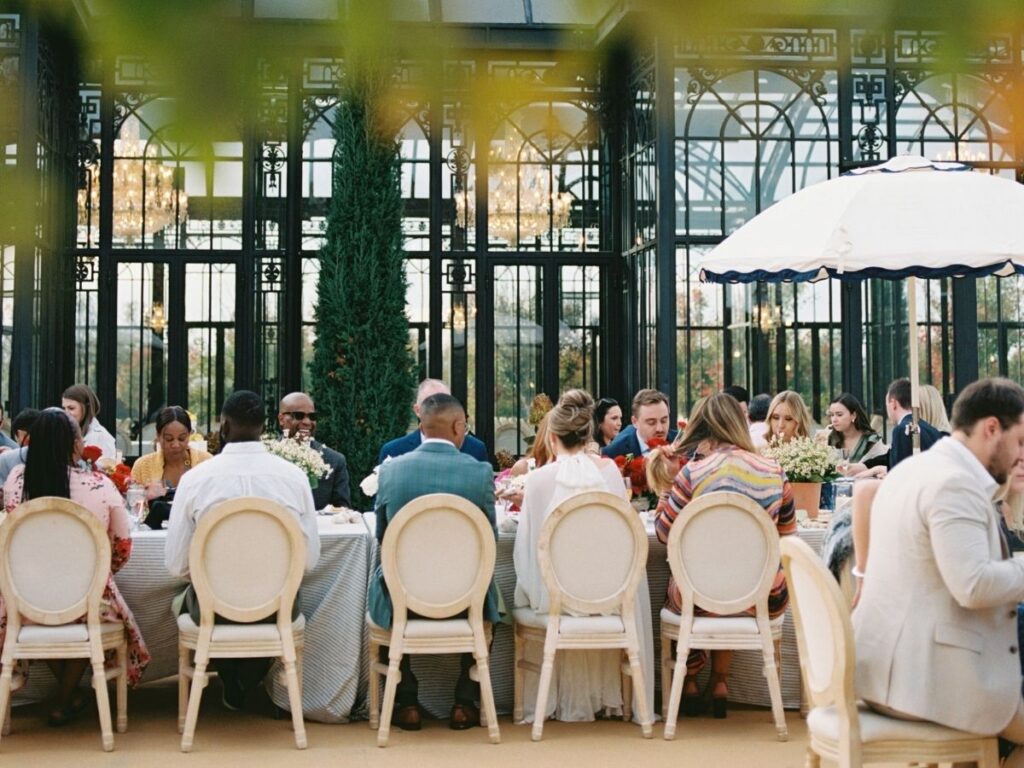
When you imagine your dream wedding, what does the guest dining experience look like? Maybe you’re drawn to the precision of plated service or captivated by the allure of interactive stations. The dining experience you choose shapes more than your menu — it sets the tone for the entire event. Whether it’s your welcome party, rehearsal dinner, or wedding reception, we believe the dining experience should be as intentional as every other aspect of your celebration.
Here are a few considerations we discuss with our couples as they decide which style best fits their dining preferences.
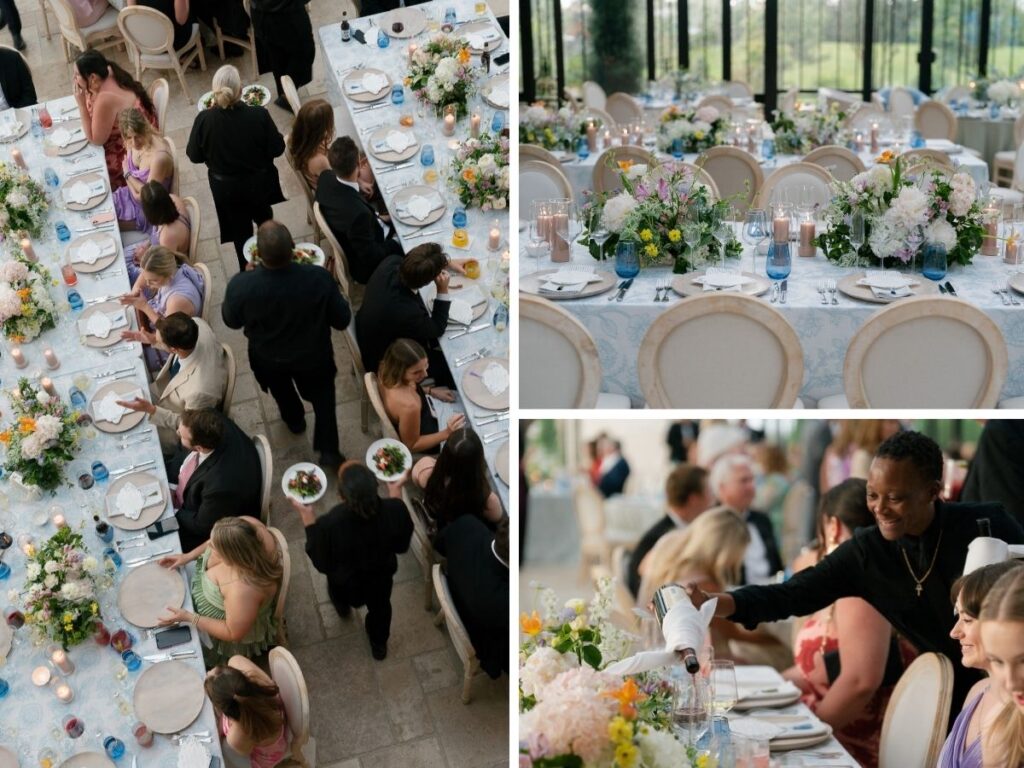
Plated Service
Plated service is undoubtedly the most elegant of all dining options. It feels like an intimate dinner at the finest restaurant, where every course arrives with graceful precision. With plated service, guests remain seated while attentive staff deliver each course to the table. Every plate is artfully arranged in the kitchen, allowing for refined presentation and consistent quality. The methodical timing of each dish’s service creates a natural transition between toasts, dances, and other programmatic elements.
When It Shines
Plated dinners are well-suited for black-tie celebrations, intimate gatherings, and formal receptions. It is best paired with tableside wine and champagne service. This style allows guests to remain comfortably at their tables while engaging in conversation. The controlled pacing of every course also proves invaluable when coordinating traditional reception elements, ensuring speeches and toasts flow naturally between courses. The thoughtfully curated timeline also helps ensure your evening stays on schedule without feeling rushed.
Considerations
Plated service typically requires more advanced planning than other options. As guests RSVP for your event, you’ll collect their entrée selections and confirm final counts with your caterer. You’ll also work with your wedding planner to assign each guest a seat on a seating chart. As you approach your wedding day, you’ll share the seating chart with your caterer, ensuring each guest’s selection is notated, including specific allergies or food intolerances. Plated service also requires that you have indicators on place cards to remind wait staff of each guest’s dining preference.
Due to the staffing needed to serve the dinner, this option can also increase labor costs.
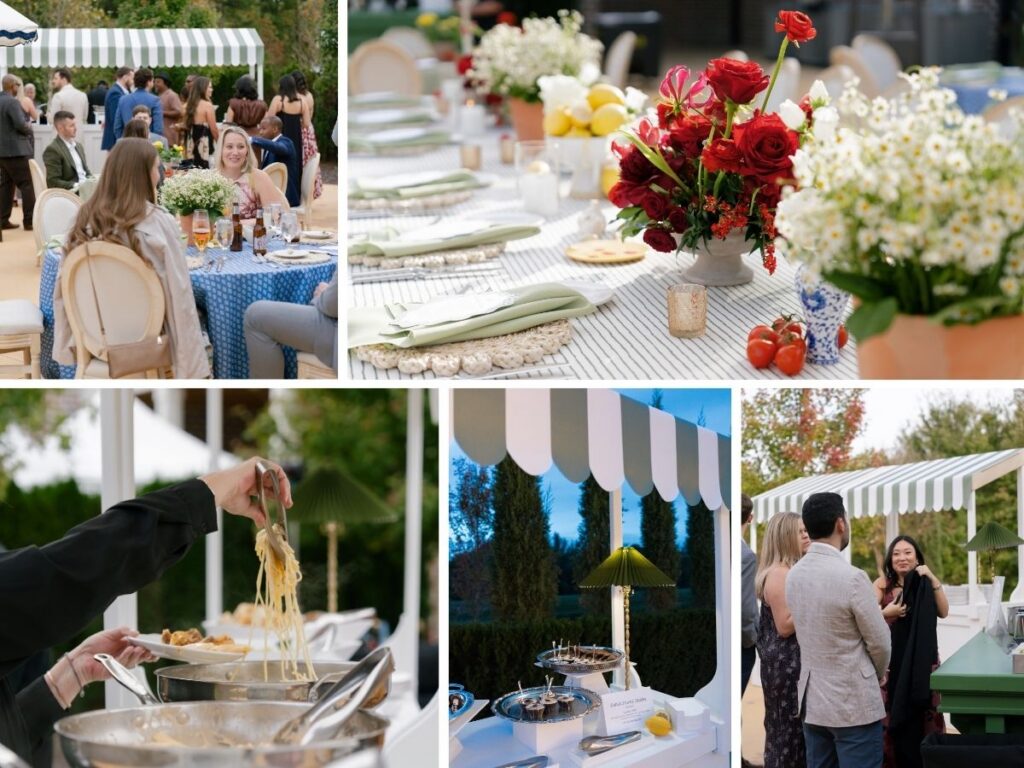
Food Stations
Food stations have become increasingly popular, especially for welcome parties and rehearsal dinners. Because each station presents an opportunity to immerse guests in a unique dining experience, they create a dynamic and engaging environment. Spread throughout the space, stations allow guests to explore different types of cuisine at their own pace.
When It Shines
Stations work well for creating an interactive atmosphere for your guests: pasta stations where chefs prepare custom bowls, a raw bar showcasing fresh seafood, or globally inspired offerings that reflect your heritage or favorite travels. Dessert stations might include an ice cream bar, custom s’mores, or floats made with the couple’s favorite soda.
The visual impact of well-designed stations can also help enhance your overall aesthetic. Stations help eliminate long lines by dispersing guests across various areas, maintaining energy and flow throughout the space. They can also be custom-built to reflect the theme of your event, from market-style carts to layered food towers.
Considerations
Stations require more space and planning than traditional buffets to ensure smooth traffic flow. You’ll need to work with your planner to ensure adequate space and surrounding traffic flow for each station. Some venues will naturally accommodate this format more than others.
The interactive nature of stations can allow you to extend service time and encourage guests to engage with each station at their own pace. Staffing requirements will vary depending on the type of stations you choose. Chef-attended stations naturally require more personnel, while self-serve stations can be more streamlined.
Buffet Service
Buffets allow your guests to curate their own plate from a thoughtfully selected spread of salads, entrées, sides, and accompaniments. This format allows guests to sample various offerings and control their own portions, accommodating different appetites and dietary preferences with ease.
When It Shines
Buffets work well for celebrations with a more relaxed atmosphere, especially outdoor welcome parties or rehearsal dinners. While on-plate presentations differ from plated courses, buffets can also offer a polished and elevated aesthetic with proper styling.
Considerations
In some instances, you may want to consider having two or more buffet lines placed throughout the space to improve flow and minimize wait times. Additionally, you’ll want to ensure each dish has a card to indicate specific ingredients for guests with food allergies and dietary restrictions.
Making Your Choice
The dining style you choose should be a natural extension of your celebration. Consider the following when making your selection:
- Your venue’s character and layout. Some spaces naturally accommodate formal seated dinners, while others invite movement. Work with your venue’s strengths rather than against them. Some venues also require you to work with a select group of caterers based on their preferred list. Make sure you take note of these requirements when choosing your wedding venue.
- The atmosphere you’re creating. Are you envisioning refined elegance where guests remain comfortably seated, or dynamic energy where guests mix and mingle throughout the evening? Your dinner format should reinforce this vision.
- Your guest experience priorities. Consider whether interaction and mingling matter more than synchronized timing, whether variety outweighs consistency, and whether you prefer a perfectly executed flow or organic evolution throughout your event.
- Your personal preferences. Ultimately, this is your celebration! If you love the idea of chef-attended stations or the intimacy of plated courses, your preference should guide your choice.
We’re Here to Help
At Drake Social, we believe that a dinner table remains one of the most powerful ways to bring people together and create memories long after your celebration ends. Regardless of which dining style you choose, our commitment remains the same: creating an experience that feels distinctly yours. We work closely with premier caterers who share our dedication to excellence, ensuring your menu is as thoughtfully curated as every other element of your celebration. From your initial menu tasting through the final presentation of each dish, we obsess over the details to ensure a delightful dining experience for every guest.
In the end, the right wedding dining style is the one that resonates most with you — and our team is here to help you discover what that means for your celebration.
Main Photo: Lizzie Baker
